
A revolution in urban transportation
Flying cabs are closer than we imagine, and could completely transform mobility in large cities and tourist destinations. Companies such as Toyota, in collaboration with Joby Aviation, are leading this revolution, but major players such as Airbus, Volocopter, Lilium and Archer Aviation have also joined in. These companies are developing advanced technologies to offer eVTOLs (electric vertical take-off and landing vehicles) that could complement current services such as cab services in Bilbao.
You are interested in knowing:
- Toyota, Joby Aviation and other major players
- Advantages of eVTOLs over traditional cabs
- Challenges to the implementation of flying cabs
- Impact on tourism and mobility in the Basque Country
- Integration with Bizkaia's cab services
1. Toyota, Joby Aviation and other major players
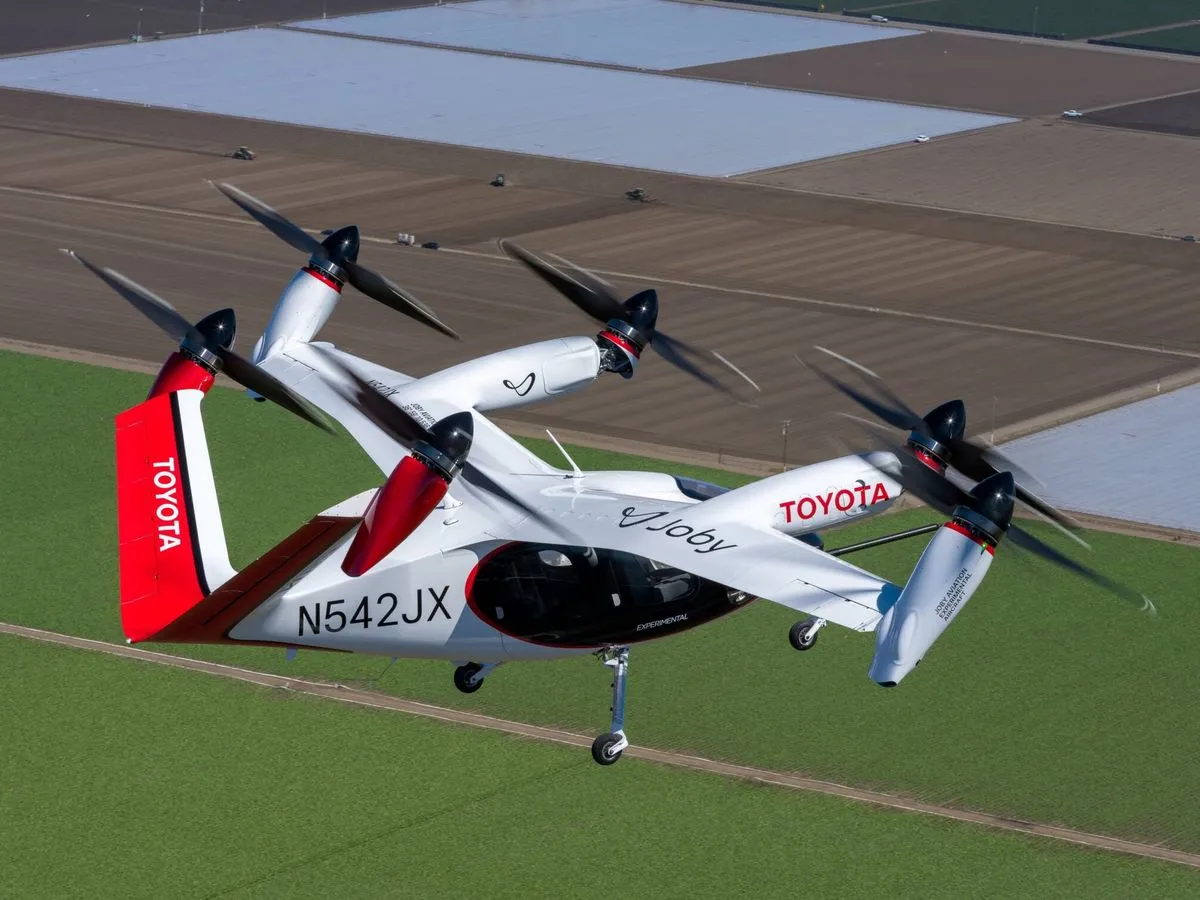
Toyota and Joby Aviation have joined forces to develop a silent, efficient and 100% electric air cab. This eVTOL is distinguished by its advanced technology, reduced maintenance costs and a design intended for urban and short-distance journeys. However, they are not alone in this race:
Volocopter: This German company is a pioneer in urban aerial mobility and has successfully tested its aircraft in several cities.
Lilium: Based in Munich, it is developing an electric aircraft with regional flight capabilities, ideal for longer journeys.
Airbus: With its “CityAirbus NextGen” project, it seeks to launch air cabs that offer safe and sustainable transportation.
Archer Aviation: Based in the United States, it specializes in short- and medium-haul air cabs.
These initiatives could have a direct impact on tourism, offering new forms of tourist travel to Basque destinations or improving express transport in Bizkaia.
This is a new market to be exploited, and the big technology companies do not want to let it escape.
2.Advantages of eVTOLs over traditional cabs
The advent of eVTOLs not only implies a technological innovation, but also an opportunity to redefine mobility in urban and rural environments. When comparing these vehicles with traditional cabs, a number of benefits can be observed that could improve transportation efficiency and offer new solutions for passengers.
Reduced travel time: By avoiding ground traffic, flying cabs could reduce travel times significantly.
Sustainable mobility: Being electric, they contribute to reducing the carbon footprint.
Access to remote areas: Thanks to their vertical take-off, they could access congested rural or urban areas where conventional transport has limitations.
Combination of services: eVTOLs could complement services such as pre-booked cab reservations at Bilbao airport, allowing travelers to combine ground and air transfers in a single journey.

3. Challenges for the implementation of flying cabs.
Despite the great potential of flying cabs, there are significant technical, regulatory and social challenges that must be overcome before mass adoption. These vehicles require not only advanced technologies, but also adapted infrastructure and clear regulations to operate safely and efficiently.
Main challenges to overcome:
Technological development: Improve battery autonomy to ensure longer and safer flights.
Aviation safety: Implement advanced navigation and collision avoidance systems, especially in dense urban environments.
Regulation and standards: Create legal frameworks to regulate urban airspace and the use of eVTOLs.
Infrastructure: Build adequately located airports (take-off and landing zones) in the cities.
Public acceptance: Overcome the initial distrust of users regarding safety and environmental impact.
Operating costs: Reduce costs to make flying cabs accessible to a larger part of the population.
Flying a pocket drone is not the same as flying a drone where your family travels. Safety assurance is one of the biggest challenges.
4. Impact on tourism and mobility in Euskadi
Imagine flying over the Basque coast or moving quickly between cities such as Bilbao, San Sebastian or Vitoria. With flying cabs, transfer times could be drastically reduced, making tourist trips to Basque destinations a more agile and pleasant experience. In addition, improved connectivity could benefit other sectors, such as events and congresses, offering fast cab options for business events in Bizkaia.
On the other hand, their ability to take off and land vertically makes them an optimal solution for emergency situations or urgent transport in Biscay, especially in congested or difficult to access areas.

5. Integration with the cab services of Bizkaia.
To ensure an efficient transition to this new era of mobility, it is essential to integrate flying cabs with the official cab service in Bizkaia. Local companies could establish partnerships with eVTOL companies to offer combined transportation options. For example, a trip from the airport could be planned in a 24-hour cab from Bilbao Airport and continue the journey in an eVTOL to more distant destinations.
The cab sector is no stranger to the current technological revolution and will have to adapt to new forms of mobility.
Conclusion
Flying cabs are set to revolutionize urban and tourist mobility, complementing traditional services and improving transfer efficiency. The Basque Country could be an ideal environment for the integration of these new technologies, thanks to its infrastructure and tourist attraction.